Deepfakes, Scams, and Silent Harm: The Real Dangers of AI Facing Kenyan Youth Today
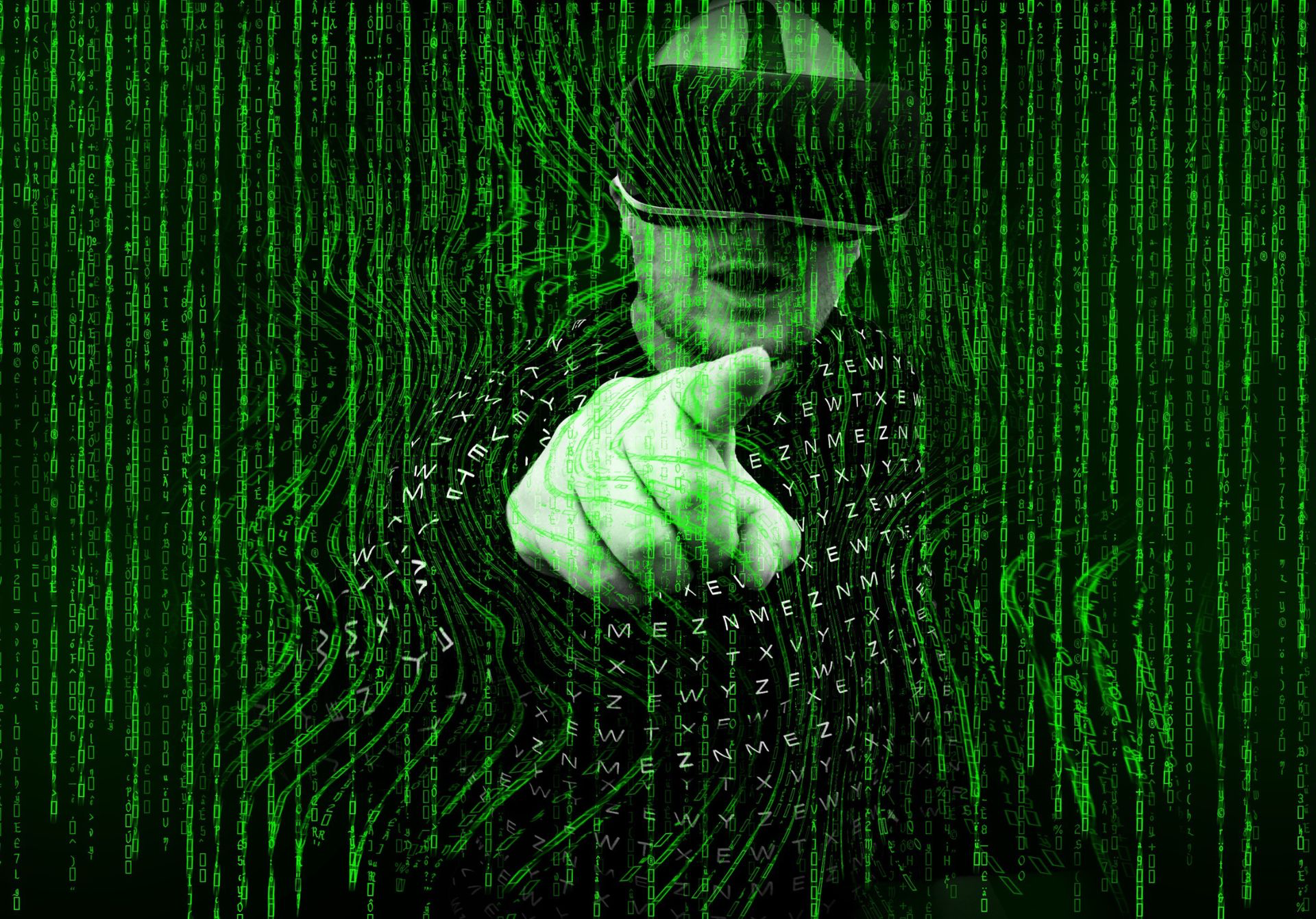
One morning in Nairobi, a video begins circulating in student WhatsApp groups. It shows a public figure saying something shocking. The voice sounds real. The face looks real. Within hours, it spreads across TikTok and X. But later, the truth comes out,it was a deepfake. By then, opinions have already formed, and trust has already been shaken.
This is not fiction. It reflects a growing reality in Kenya, where artificial intelligence is rapidly changing how young people consume and share information. At the 2026 Connected Africa Summit, government officials warned that AI is now a “double-edged sword,” highlighting the rise of deepfakes and automated disinformation campaigns that can undermine public trust and security.
For young people, who are among the most active digital users, the risks are immediate and personal.
In early 2026, cybersecurity reports showed that Kenya is already experiencing deepfake-powered scams, including fake investment videos and AI-generated content designed to trick users into sending money. These scams are often convincing, targeting young people who are exploring online opportunities or side hustles.
But the danger goes beyond scams. Globally and increasingly relevant to Kenya,AI tools are being used to create fake images and explicit content without consent. Investigations have shown how deepfake images can destroy reputations, especially for young women and students, leading to stigma, school disciplinary issues, and even lost opportunities. The emotional and psychological damage can be long-lasting, especially in close,knit communities where digital content spreads quickly.
Even in everyday life, the effects of AI are becoming harder to see—but just as serious. In classrooms, students are using AI to complete assignments instantly, often without understanding the material. What looks like efficiency can quietly weaken critical thinking and creativity. Over time, this creates a generation that depends on technology not just for answers,but for thinking itself.
And then there are the larger, systemic risks. In 2026, an AI-driven healthcare system in Kenya faced backlash after it misclassified low-income citizens and increased costs for the poor, showing how flawed algorithms can directly harm vulnerable populations. For young people, this sends a powerful message: AI is not always neutral or fair,it can make mistakes, and those mistakes have real consequences.
Recognizing these growing risks, Kenya is beginning to respond. Proposed laws under the 2026 AI Bill include heavy penalties for harmful uses of AI, including deepfakes and misleading content, signaling how serious the issue has become.
But policy alone is not enough. At Innovation Hub Kenya, we see these risks playing out in real time and we believe the solution starts with awareness. Through digital literacy programs, we work with young people to understand how AI works, how to identify manipulated content, and how to question what they see online. We teach them that not everything that looks real is true.
We also focus on responsibility. Young people are guided on how to use AI ethically supporting their learning without replacing it, and creating content without causing harm. Through innovation programs, they are encouraged to build with AI, not just consume it,becoming creators who understand both its power and its limits.
Because the story of AI in Kenya is still being written. And whether it becomes a tool for empowerment or a source of harm will depend on how well we prepare the generation growing up with it today