Smart Irrigation in Kenya: Turning Scarcity into Opportunity
Across Kenya, water has always shaped the rhythm of farming. For generations, farmers relied on seasonal rains to plant and harvest. But today, that rhythm is increasingly unreliable. Erratic rainfall, prolonged droughts, and rising temperatures have made farming more uncertain,especially for smallholder farmers who produce most of the country’s food.
In response, a quiet transformation is taking place. Farmers are shifting from dependence on rainfall to more controlled and efficient irrigation systems. At the center of this shift is smart irrigation,an approach that uses simple technologies and better decision-making to optimize water use and improve productivity.
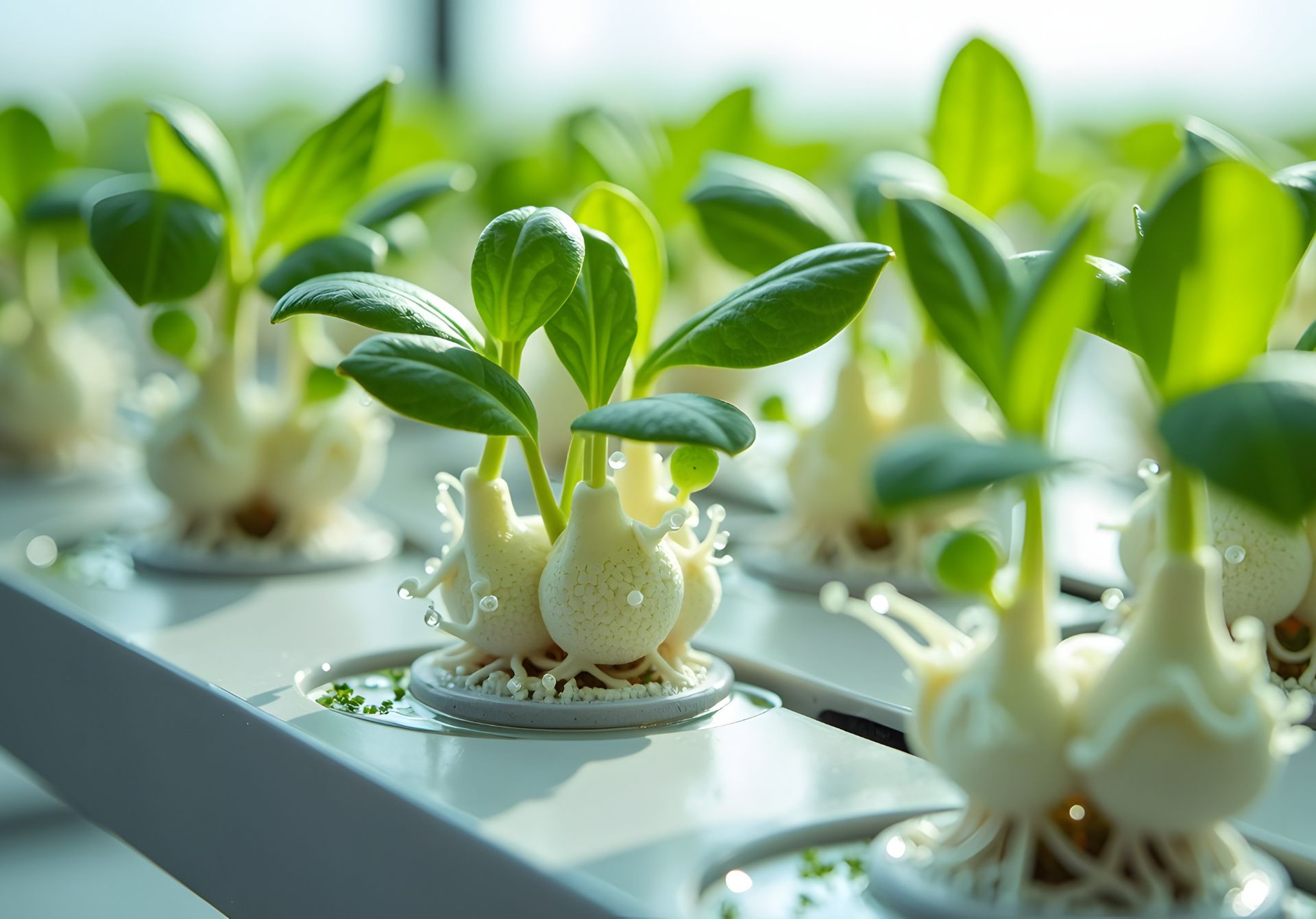
In many parts of the country, smart irrigation begins with drip systems. These systems deliver water directly to plant roots through small pipes, reducing waste from evaporation and runoff. In dry regions like Kajiado and Makueni, farmers are also adopting solar-powered pumps to access water from boreholes and rivers, cutting fuel costs and making irrigation more sustainable.
Some farmers are taking it further by using soil moisture sensors or mobile-based advisory tools to determine when crops actually need water. Others rely on improved observation and timing, irrigating only when necessary. Whether high-tech or low-tech, the goal is the same: use water efficiently and avoid waste.
The impact is tangible. Farmers using smart irrigation report healthier crops, more consistent yields, and the ability to grow food even during dry seasons. In places like Kirinyaga, improved irrigation has allowed farmers to produce higher-quality vegetables for better-paying markets. For many, this shift is not just about farming,it’s about stability and income.
However, adoption is not without challenges. The initial cost of irrigation equipment can be high, and many farmers lack access to financing. There is also a need for training to ensure systems are used and maintained properly. Without this, even the best technologies can fall short. Despite these barriers, progress is growing. Local innovations, affordable drip kits, and mobile-based support are making smart irrigation more accessible. Farmer groups are also pooling resources to invest in shared systems, spreading both cost and benefit.
Smart irrigation is not just a technological upgrade,it is a necessary response to a changing climate. By enabling farmers to take control of water use, it reduces risk, improves productivity, and builds resilience. In a country where every drop counts, smart irrigation is helping Kenyan farmers turn scarcity into opportunity,one field at a time.