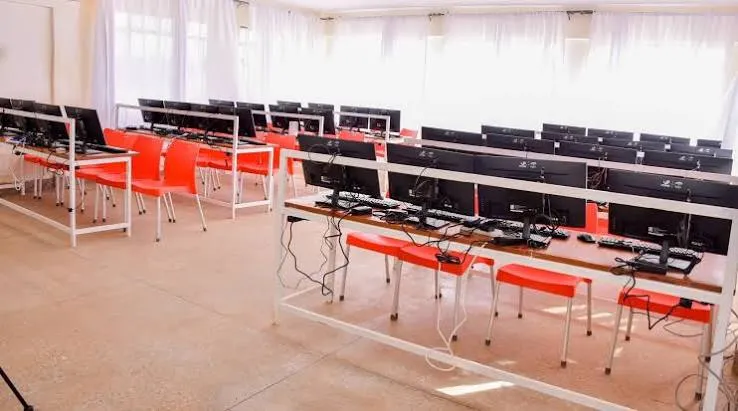
From Digital Access to Economic Opportunity
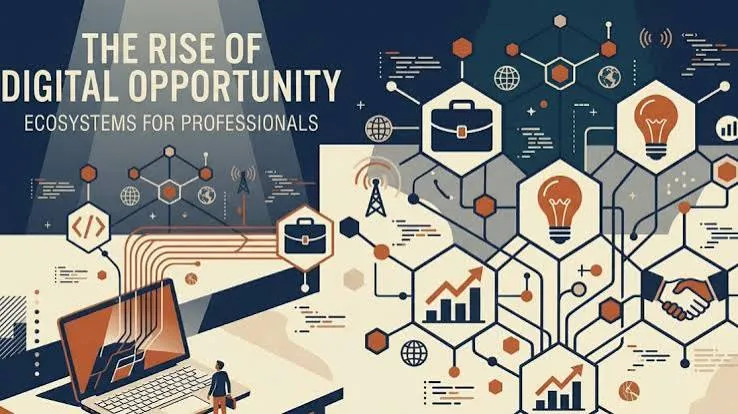
Kenya has established itself as one of Africa's leading innovation and technology ecosystems. From mobile financial services and digital businesses to AgriTech, renewable energy and emerging technology solutions, innovation is increasingly influencing how Kenyans work, trade and solve everyday problems. Yet the next challenge is not simply creating more technology. It is ensuring that more people, particularly young people, women and communities outside major urban centres—can use technology to create sustainable economic opportunities. Innovation Hub Kenya identifies entrepreneurship, innovation and ICT development as important pillars for national development, with a particular focus on empowering youth, women and local entrepreneurs. Internet access is often discussed as a question of infrastructure: whether people have a reliable connection, affordable devices and sufficient network coverage. These remain essential, but access alone does not automatically create economic opportunity. A young person may have internet access but lack the digital skills required to market a business, use online work platforms, analyse customer data or develop digital products. A small entrepreneur may own a smartphone but still struggle to build an online presence, access digital financial services or reach customers beyond their local area. The real opportunity lies in moving from digital access to meaningful digital participation. For young entrepreneurs, digital tools can reduce some of the traditional barriers to starting and growing a business. Social media can provide access to customers. Digital payment systems can make transactions easier. Online marketplaces can connect small businesses to wider markets. Digital learning platforms can provide access to skills that may not be available locally. Technology can also create entirely new forms of work, from digital content creation and software development to online services, e-commerce and remote work. However, these opportunities require more than technology. Entrepreneurs need mentorship, business knowledge, financial literacy, market connections and practical support to turn ideas into viable enterprises. Women and young people represent a significant source of entrepreneurial potential in Kenya, but they can face barriers when attempting to access finance, networks, technical skills and markets. Innovation support programmes can help address these gaps by creating spaces where emerging entrepreneurs can receive mentorship, test ideas, develop prototypes, build business models and connect with potential partners or customers. For women and youth in rural and underserved communities, such support can be particularly important. Digital innovation can help reduce geographical barriers and connect local entrepreneurs with knowledge, markets and opportunities beyond their immediate communities. Kenya does not need innovation simply for the sake of having new technology. The most valuable innovations are those that respond to real challenges. A farmer needs technology that can help improve productivity or market access. A young entrepreneur needs tools that can reduce the cost of reaching customers. A rural community may need affordable digital services that improve access to information and opportunities. A small business may need simple technology that makes it easier to manage finances, communicate with customers or enter new markets. Innovation Hub Kenya's work reflects the importance of connecting innovation with entrepreneurship, technology development and community empowerment. Its focus includes supporting innovators and startups through mentorship and resources while promoting areas such as AgriTech, renewable energy and ICT development. The organisation's recent work has also highlighted the importance of creating stronger pathways between research, innovation, entrepreneurship and markets. Promising ideas often need technical support, mentorship, industry connections, financing and opportunities to test solutions before they can become sustainable products or businesses. Kenya's next phase of digital transformation should therefore be about turning connectivity into capability, capability into enterprise, and enterprise into sustainable livelihoods. When innovation reaches beyond technology itself and becomes accessible to the people who need it most, it can become a powerful driver of inclusive economic development.