How Kenya’s ICT Hubs Are Opening New Opportunities for Young People
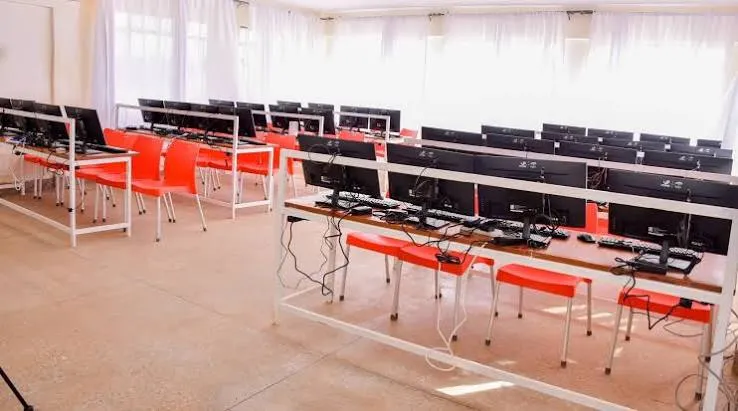
Access to digital technology is becoming an increasingly important factor in determining who can participate in the modern economy. In Kenya, the expansion of community ICT hubs is creating new opportunities for young people to acquire digital skills, explore entrepreneurship and access employment opportunities beyond their immediate communities. The commissioning of a new Jitume ICT Hub at the Kenya School of TVET’s Moiben Campus in Uasin Gishu County highlights the growing role of digital infrastructure in connecting young people to the opportunities of the digital economy. Reported on 13 October 2026, the new facility brings the national Jitume network to 391 equipped digital hub sites, with a combined total of 23,387 devices. The programme has reached more than 115,000 trainees and young people, supporting digital skills development and access to opportunities such as remote work and online services. The initiative forms part of Kenya’s broader efforts to extend digital access beyond major urban centres and enable more citizens to participate in the digital economy. By providing access to computers, connectivity and digital learning environments, ICT hubs can help reduce barriers that prevent young people from developing relevant skills. However, access to technology is only the starting point. The greater opportunity lies in transforming digital access into practical capabilities, sustainable livelihoods and innovative businesses. Digital skills are increasingly relevant across multiple sectors, including business, education, creative industries, agriculture and professional services. Young people who develop competencies in digital marketing, graphic design, data management, software development and e-commerce can explore different pathways to employment and entrepreneurship. For aspiring entrepreneurs, digital platforms can provide access to customers, suppliers and markets beyond their local communities. A young designer can serve clients remotely, a small business owner can market products online, and an entrepreneur can use digital tools to test business ideas without immediately investing in expensive physical infrastructure. These opportunities demonstrate why digital skills programmes should combine technical training with practical application. Young people need opportunities to develop portfolios, work on real-world projects, understand client expectations and learn the business skills required to turn their knowledge into income. Innovation hubs can help bridge the gap between digital training and economic participation by providing spaces where young people can experiment, collaborate and develop solutions to community challenges. Through mentorship, entrepreneurship training, networking opportunities and practical innovation programmes, these hubs can support young people in moving from learning digital tools to creating products, services and viable enterprises. Collaboration with businesses, technical training institutions, investors and industry professionals can further strengthen this process. Such partnerships can help identify in-demand skills, provide practical experience and connect emerging innovators to potential customers and employment opportunities. Innovation hubs can also encourage young people to apply technology to local challenges, from improving agricultural market access to developing digital services for small enterprises and supporting environmental sustainability.Despite the expansion of digital infrastructure, access to equipment alone does not guarantee meaningful participation in the digital economy. Connectivity costs, differences in digital literacy, limited mentorship, accessibility barriers and difficulties securing clients or start-up capital can prevent young people from benefiting fully. Kenya must therefore complement infrastructure investment with inclusive training, entrepreneurship support and stronger links between skills development and market demand. Particular attention should be given to young people in underserved communities, young women and persons with disabilities, ensuring that digital opportunities are accessible to diverse groups. Progress should also be assessed through practical outcomes, including skills acquired, businesses established, digital services developed and young people connected to paid work. The expansion of Jitume ICT hubs demonstrates the importance of bringing digital resources closer to communities. The next step is to ensure that these resources translate into meaningful economic participation. For Innovation Hub Kenya, this development reinforces the value of connecting digital skills with innovation, entrepreneurship and practical problem-solving. By supporting young people to transform knowledge into solutions, services and sustainable businesses, innovation ecosystems can contribute to a more inclusive and competitive economy. Digital transformation becomes meaningful when access to technology enables young people not only to find opportunities, but also to create them.