Building Safer Roads for Kenya’s Night-Time Travel
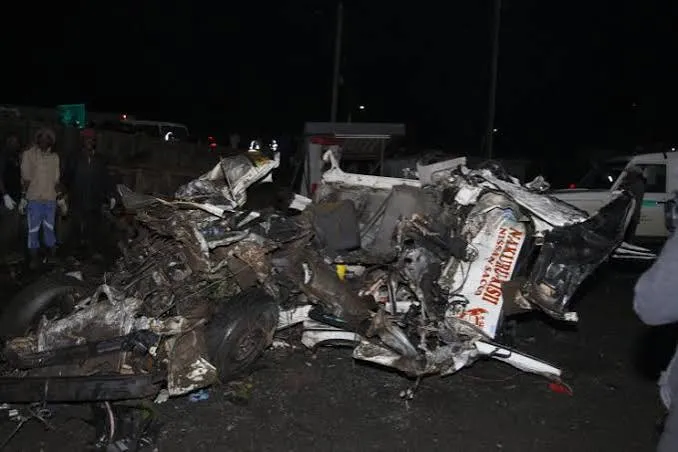
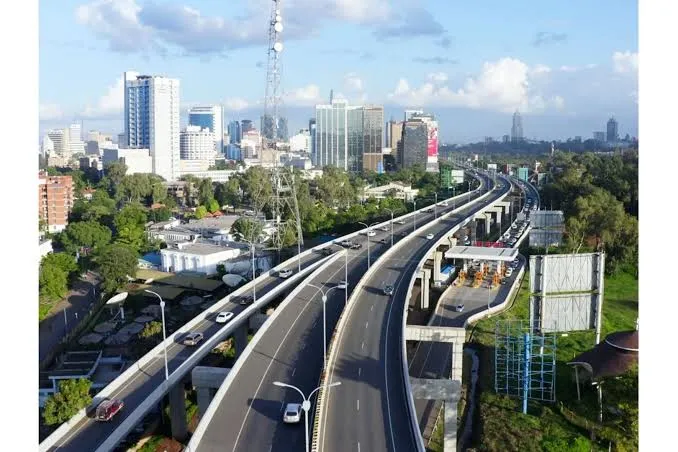
The recent tragic crash along Mombasa Road near Katani on 20th August over night, which reportedly left eight people dead, has once again highlighted the urgent need to rethink road safety in Kenya. While investigations should establish the exact circumstances and responsibility for the accident, the tragedy raises a broader question: are our roads adequately designed for the reality of 24-hour travel? Mombasa Road is one of Kenya’s most important transport and economic corridors. It carries commuters, public transport vehicles, trucks and private motorists throughout the day and night, connecting rapidly growing residential and commercial areas. As more Kenyans work night shifts, travel early in the morning and depend on long-distance transport, road safety cannot be designed around daytime travel alone.Night-time driving comes with additional risks. Poor visibility can make pedestrians, stalled vehicles, road obstacles and junctions difficult to identify. Inadequate street lighting, faded road markings and unclear signage can further increase these risks. Road development should therefore go beyond simply widening or resurfacing roads. High-risk areas need adequate lighting, reflective road markings, visible signage, safe pedestrian crossings, properly designed junctions and protected shoulders. Kenya's National Road Safety Action Plan recognises infrastructure improvements as an important part of reducing road deaths and includes interventions around pedestrian facilities and high-risk locations, including the Katani Road Junction.Prevention, however, is only one part of the solution. What happens in the minutes immediately after a crash can also determine whether victims survive. Kenya needs stronger systems for quickly detecting accidents, identifying their exact location, dispatching emergency teams and keeping access routes clear for ambulances and rescue personnel. Digital emergency reporting, GPS-based location sharing, accident-hotspot mapping and community-based hazard reporting could help reduce the time between an accident occurring and assistance arriving.This is particularly important along busy highways where traffic congestion can make it difficult for emergency responders to reach victims quickly. Road infrastructure should therefore consider emergency access and response as part of road design, rather than treating rescue as something that happens after the road has been built. This is where Innovation Hub Kenya can play a meaningful role. Through its focus on innovation, entrepreneurship and technology development, the Hub can bring together young innovators, communities, transport stakeholders, emergency responders and local authorities to develop practical solutions to road-safety challenges.The Hub could support innovation challenges focused on smart emergency-reporting systems, community reporting of road hazards, data-driven identification of accident hotspots and affordable solutions for improving night-time visibility. Such initiatives would give young innovators an opportunity to turn technology and ideas into solutions addressing problems that Kenyans encounter every day. The Katani tragedy should therefore be more than another statistic. It should encourage Kenya to move from reacting to road crashes to actively preventing them. Better infrastructure, faster emergency response, reliable data and locally developed innovation can work together to make our roads safer not only during the day, but throughout the night.Safer roads are not simply a transport responsibility; they are an innovation challenge, a public-safety priority and a shared responsibility. Building Safer Roads for Kenya’s Night-Time Travel