Kenya at a Crossroads: Rising Costs, Mounting Debt, and the Search for Economic Stability in 2026

Kenya at a Crossroads: Rising Costs, Mounting Debt, and the Search for Economic Stability in 2026
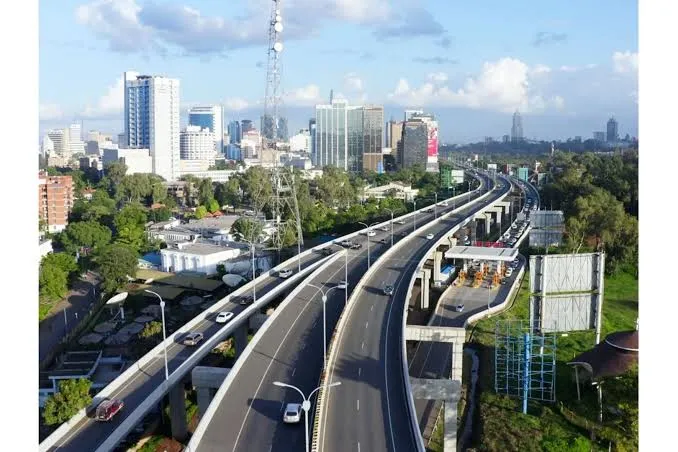
On a typical morning in Nairobi, matatus weave through traffic as traders prepare their stalls and office workers queue for buses. Yet behind the rhythm of daily life lies a growing concern shared by millions of Kenyans: Is the economy truly improving, or are ordinary citizens carrying a heavier burden than ever before?
As the 2026/27 financial year begins, Kenya finds itself balancing hope and uncertainty. Economic indicators point to growth, but the realities on the ground tell a more complicated story.
The Price of Everyday Life
For many Kenyans, the economy is measured not by GDP figures but by the price of fuel, food, transport, and rent.
Fuel remains one of the biggest concerns. Under the latest review by the Energy and Petroleum Regulatory Authority (EPRA), Super Petrol in Nairobi is retailing at approximately KSh214.03 per litre, while Diesel stands at KSh222.86 per litre. Although diesel prices recently declined, they remain significantly higher than historical levels, continuing to affect transport and production costs across the economy.
The impact is felt throughout the supply chain. When fuel prices rise, transport costs increase. When transport costs increase, food prices, construction materials, and consumer goods become more expensive.
For households already stretching their budgets, every additional shilling spent on transport means less money available for school fees, healthcare, or savings.
The Shilling's Delicate Balance
The Kenyan shilling has shown greater stability compared to previous years, offering some relief to importers and businesses dependent on foreign goods.
However, Kenya's economy remains vulnerable to global pressures, including oil price fluctuations, geopolitical tensions, and shifts in international financial markets. The government's ability to maintain currency stability will remain critical, particularly given the country's substantial external debt obligations.
A stable exchange rate helps control inflation, but any significant weakening of the shilling could quickly increase the cost of imports and debt servicing.
The Weight of Public Debt
Perhaps the greatest challenge facing Kenya today is public debt.
Years of infrastructure investments, borrowing for development projects, and recurring budget deficits have left the country with substantial debt obligations. Debt repayments consume a significant portion of government revenue, limiting resources available for public services and development initiatives.
In June 2026, reports emerged that Kenya had successfully negotiated adjustments to some Chinese loans, including extending repayment periods and converting certain obligations from US dollars to Chinese yuan. The move is expected to reduce annual debt servicing costs by approximately $215 million.
While this provides breathing space, it does not eliminate the broader debt challenge.
The government continues to walk a tightrope: borrowing enough to finance development while avoiding unsustainable debt levels that could constrain future growth.
A Budget Deficit That Refuses to Disappear
The 2026/27 budget reflects the difficult choices facing policymakers.
Treasury projects revenue collection of approximately KSh3.63 trillion during the financial year. Yet government expenditure requirements remain significantly higher. The resulting fiscal deficit is projected at over KSh1 trillion and will require both domestic and external borrowing to finance.
This deficit highlights a persistent challenge.
The government needs money to fund infrastructure, healthcare, education, security, and social programs. However, increasing expenditure without matching revenue growth risks deepening debt levels.
At the same time, increasing taxes risks slowing economic activity and placing additional pressure on citizens already facing a high cost of living.
The Finance Bill 2026: Searching for Revenue Without Triggering Backlash
Following the widespread protests that characterized debates over previous finance bills, the Finance Bill 2026 has taken a more cautious approach.
Government officials have emphasized that several controversial taxes circulating on social media are not part of the official bill. Authorities have specifically clarified that there is no proposed tax on bread, mitumba clothing, or a motor vehicle circulation tax.
Instead, the bill focuses on broadening the tax base, improving compliance, and closing loopholes.
Among the measures discussed are:
Increased taxation in selected sectors. Enhanced digital tax compliance mechanisms. Greater oversight of cryptocurrency and digital asset transactions. Adjustments affecting rental income taxation. Changes to filing and reporting requirements for taxpayers.
The challenge for policymakers remains clear: raise sufficient revenue without undermining business confidence or increasing public dissatisfaction.
Growth Amid the Challenges
Despite the concerns, there are reasons for cautious optimism.
The Central Bank of Kenya projects economic growth of approximately 5.5 percent in 2026, supported by improved credit access, stable inflation, and resilience in key sectors such as agriculture, technology, and financial services. Inflation has remained within the Central Bank's target range, allowing policymakers to gradually lower interest rates to support borrowing and investment.
Kenya continues to maintain its position as East Africa's largest economy and a regional hub for innovation, finance, and entrepreneurship.
The country's youthful population, growing digital economy, and expanding infrastructure provide a foundation for future growth if fiscal and debt challenges can be effectively managed.
The Road Ahead
Kenya's economic story in 2026 is neither a tale of crisis nor one of complete recovery.
It is a story of a nation navigating difficult choices.
Fuel prices remain high. Debt obligations continue to weigh heavily on public finances. The government faces pressure to raise revenue while maintaining public trust. At the same time, economic growth prospects remain positive, inflation is relatively contained, and efforts to improve fiscal discipline are underway.
For ordinary Kenyans, the real test will not be found in budget speeches or economic forecasts.
It will be found in whether jobs become easier to secure, whether businesses can grow, whether prices stabilize, and whether future generations inherit an economy that is stronger than the one that exists today.
As Kenya moves through 2026, the question is no longer whether change is necessary. The question is whether the country can achieve that change without placing an unbearable burden on the very citizens whose resilience continues to keep the economy moving forward.