
Sustainable Farming: Building a Climate-Resilient Kenya
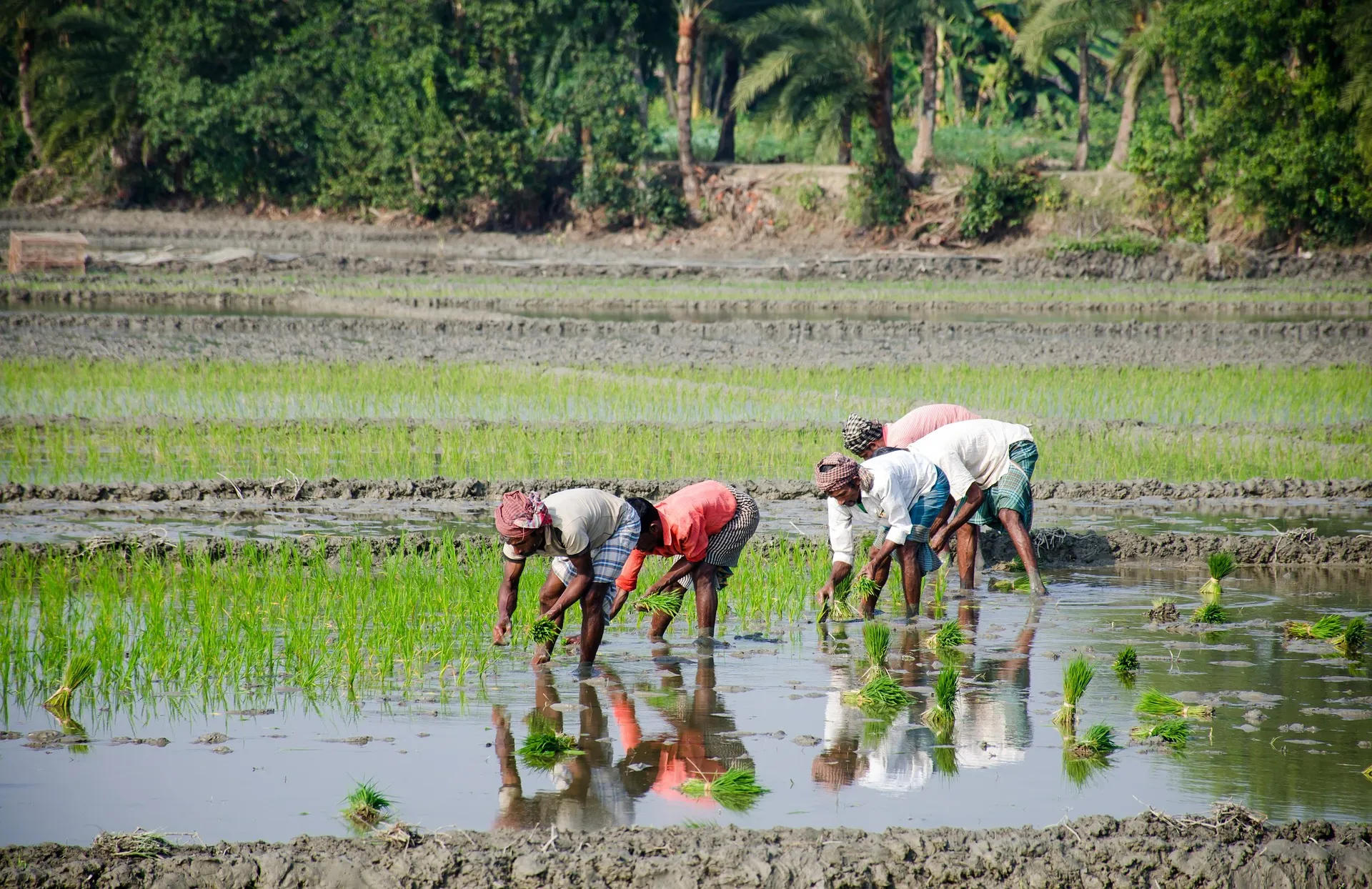
Agriculture is the backbone of Kenya's economy, supporting millions of livelihoods and contributing significantly to national food security. However, the sector is increasingly under pressure from prolonged droughts, erratic rainfall, rising temperatures, and land degradation. These climate challenges have made sustainable farming more important than ever.
Sustainable farming combines modern technology with environmentally friendly practices to help farmers produce more while conserving natural resources. Across Kenya, farmers are adopting climate-smart solutions such as drip irrigation, soil moisture sensors, rainwater harvesting, improved seed varieties, and soil conservation techniques to increase productivity and reduce water wastage.
One of the biggest shifts is the growing use of smart irrigation. Rather than watering crops on fixed schedules, farmers can now use soil moisture sensors and weather data to apply water only when needed. This improves crop yields, lowers production costs, and conserves water:an essential resource as many parts of Kenya continue to experience prolonged dry spells.
The Government of Kenya is also strengthening climate-smart agriculture through farmer training, investments in sustainable land management, and programmes that promote water harvesting, conservation agriculture, and efficient irrigation technologies. These initiatives are helping farming communities become more resilient while improving food security and protecting the environment.
Innovation is proving that farming can be both productive and sustainable. By embracing smart technologies and climate-resilient practices, Kenya is empowering farmers to adapt to changing weather patterns, improve their incomes, and secure a greener future for generations to come.